Gross Weekly Pay: What It Is and How to Calculate It
By Jaden Miller , March 24 2026

Every payroll cycle starts with one number: gross weekly pay. Get this figure right, and every deduction, withholding tax, and direct deposit falls into place. This guide covers the gross pay formula for hourly and salaried workers. You'll learn what gets deducted and how to avoid errors when you generate pay stubs.
Key Takeaways
- Gross weekly pay is total employee earnings for one week before any deductions are applied
- Hourly formula: hourly wage × hours worked (plus overtime at 1.5× for hours above 40)
- Salaried formula: annual salary ÷ 52
- Net pay equals gross weekly pay minus FICA taxes, income tax withholdings, and voluntary deductions
- Accurate gross pay calculations protect your business from IRS penalties and employee disputes
What Is Gross Weekly Pay?
Gross weekly pay is what an employee earns in one week before taxes and deductions. It includes base wages, overtime, bonuses, commissions, and tips. Employers use this number to calculate gross pay, apply payroll tax withholdings, and find net pay each pay period.
This figure drives everything else on the pay stub. Federal and state income tax, FICA, and voluntary deductions all start from the gross. If the gross weekly pay is wrong, every line item is wrong. See our guide on net vs. gross income for a closer look.
For businesses running weekly or biweekly payroll, this is the first number you find for each worker. Salaried staff have a fixed gross. Hourly workers change week to week based on hours and overtime.
What's Included in Gross Weekly Pay?
Not every dollar that crosses your payroll counts the same way. Gross weekly pay includes:
- Base wages: hourly rate × hours worked, or the salaried weekly equivalent
- Overtime pay: federally mandated at 1.5× the regular hourly rate for hours exceeding 40
- Bonuses: performance, signing, or holiday bonuses earned during the pay period
- Commissions: sales-based compensation
- Tips: reported tips from tipped employees
- Paid time off: vacation, sick leave, and other PTO used during the week (wondering is PTO taxed? Yes, it counts as taxable wages)
- Retroactive pay: back pay from wage adjustments
How to Calculate Gross Weekly Pay
To calculate gross pay for hourly workers, multiply the hourly wage by hours worked. For example, $20 per hour × 40 hours = $800 gross weekly pay. Add overtime at 1.5× for hours above 40. For salaried staff, divide the annual gross salary by 52 to get the weekly figure.
Hourly Employees
The formula is straightforward:
Gross weekly pay = Hourly rate × Hours worked
Here are three common scenarios:
Standard full-time (40 hours):
$20/hr × 40 hours = $800 gross weekly pay
Part-time (25 hours):
$18/hr × 25 hours = $450 gross weekly pay
Full-time with overtime (45 hours):
$20/hr × 40 regular hours = $800
($20 × 1.5) × 5 overtime hours = $150
Total: $950 gross weekly pay
Overtime Adjustments
Under the FLSA, non-exempt employees earn time and a half (1.5× their regular hourly wage) for every hour worked beyond 40 in a workweek.
Common employer mistake: Applying the 1.5× rate to all hours rather than only hours above 40. If a worker logs 45 hours at $20/hr, the overtime premium applies to 5 hours only. Getting this wrong inflates gross pay and throws off every payroll tax and deduction that follows.
Salaried Employees
Gross weekly pay = Annual salary ÷ 52
For a salaried employee earning $62,400 per year:
$62,400 ÷ 52 = $1,200 gross weekly pay
FLSA-exempt salaried workers don't earn overtime. Their gross weekly pay stays the same no matter how many hours they work. If a salaried worker gets a bonus that week, add it to the base figure for that period's gross.
Gross Weekly Pay vs. Net Pay

Gross weekly pay is total earnings before taxes. Net pay is what workers actually take home. To calculate net pay, subtract federal and state income tax, Social Security tax, Medicare tax, and items like 401(k) and health insurance from the gross.
Here's how a $1,000 gross weekly pay breaks down into net pay:
| Line Item | Amount |
|---|---|
| Gross weekly pay | $1,000.00 |
| Social Security (6.2%) | −$62.00 |
| Medicare (1.45%) | −$14.50 |
| Federal income tax (est.) | −$88.00 |
| State income tax (est.) | −$50.00 |
| Health insurance premium | −$40.00 |
| Net (take-home) pay | ≈$745.50 |
As an employer, you budget around gross pay. It's the figure in your offer letter and salary talks. Workers, however, focus on net pay: the amount that hits their bank account. Review what shows on your team's earnings statement to see both sides.
Converting Gross Weekly Pay Across Pay Periods
Not every business runs weekly payroll. Use this table to convert gross weekly pay to other common pay schedules:
| Pay Schedule | Periods Per Year | Conversion From Weekly |
|---|---|---|
| Weekly | 52 | Gross weekly pay × 1 |
| Biweekly | 26 | Gross weekly pay × 2 |
| Semi-monthly | 24 | Annual salary ÷ 24 |
| Monthly | 12 | Annual salary ÷ 12 |
A biweekly pay period is most common for hourly workers. Monthly and semi-monthly schedules suit salaried staff. Note that biweekly means 26 pay periods per year, not 24. See how many pay periods in a year for a full breakdown. This gap matters for annual budgets.
What Gets Deducted From Gross Pay?
Mandatory items include federal income tax (based on the W-4), state and local income taxes, and FICA: Social Security tax at 6.2% and Medicare at 1.45%. Voluntary items include 401(k) and health insurance premiums. Pre-tax deductions lower taxable income.
Mandatory Deductions
Federal income tax depends on the worker's Form W-4: filing status, dependents, and extra withholding tax amounts. The IRS withholding tables list exact figures. For 2026, the standard deduction is $15,000 (single) and $30,000 (married filing jointly). This sets how much comes out of each paycheck.
State income tax varies widely. Texas and Florida charge no state income tax. California's rate tops 10%. Review the 3 types of taxes that affect paychecks so you can explain deductions to your team.
FICA taxes fund Social Security and Medicare. Workers pay 6.2% for Social Security (on earnings up to $176,100 in 2026) and 1.45% for Medicare tax with no cap. You match both as the employer. The total FICA cost is 15.3% of gross pay per worker.
Wage garnishments are court-ordered for child support, unpaid debts, or tax levies. Process these before any voluntary deductions.
Voluntary Deductions
These come out of the employee's paycheck by choice:
- 401(k) contributions: deducted pre-tax, reducing taxable income
- Health, dental, and vision insurance premiums: typically pre-tax under a Section 125 plan
- Roth 401(k) contributions: post-tax (no immediate tax benefit)
Order matters. Pre-tax items like 401(k) and health insurance come out before income taxes. This lowers taxable income and reduces withholding. Post-tax items come out after taxes.
Where Employees See This
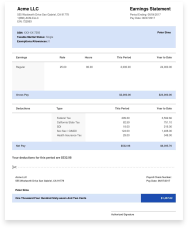
Every pay stub should show gross pay, each deduction, and net pay. Annual totals go on the W-2 form, with gross wages in Box 1. If your stubs are missing line items, you may not meet your state's pay stub requirements.
Creating Accurate Pay Stubs With Gross Weekly Pay
Your pay stubs must show each worker's gross weekly pay, all deductions, and net pay. Errors in gross pay records can lead to IRS penalties, worker disputes, and audit problems.
The fastest fix is a tool that does the math for you. Create pay stubs for your team in minutes with our paystub generator. Accurate results, every time.
Conclusion
Gross weekly pay is the base number behind every paycheck. Use the gross pay formula to calculate gross pay for hourly or salaried staff, then subtract each payroll tax and deduction to calculate net pay. Keep this number right, and your pay stubs, tax filings, and budgets stay on track.
You Might Also Like



Frequently Asked Questions
Similar Articles



We’ve helped numerous individuals and businesses create professional documents! Create yours today!