Pay Stubs Explained: A Beginner's Complete Guide (2026)
By Jaden Miller , February 12 2026
If someone just asked you for a pay stub, you might be wondering what that even is. You're not alone.
Paycheck stubs can feel confusing the first time you see them. That's especially true when a landlord, lender, or new employer wants one and you don't have it. The good news is that once you understand the basics, they're actually pretty simple.
This guide breaks everything down in plain English. You'll learn what's on your payroll stubs and whether it's illegal to make fake pay stubs. Plus, you'll find out how to make a paystub the right way if you're self-employed. Let's get into it.
Key Takeaways
- A pay stub is a breakdown of your paycheck showing what you earned, what was taken out, and what you take home
- Most states require employers to provide them, but not all
- Making fake paystubs is illegal and can lead to serious criminal charges
- Self-employed workers can create their own using a legitimate online generator
- Keep yours for at least one year for tax purposes
What Are Pay Stubs?
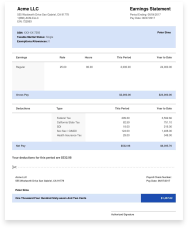
A pay stub is a document that comes with your paycheck. It breaks down how much you earned and what was taken out for taxes. It also shows what you actually take home. Whether it's a paper slip or a digital file, each one tells the same story about your paycheck.
Think of it like a receipt for your work. Yours might come attached to a physical check with a tear-off section. You could also access online pay stubs through your employer's payroll system, such as ADP or Workday. Your pay check stubs contain the same information either way. You might also hear them called pay slips, wage statements, or earnings statements.
What Are Pay Stubs Used For?
They serve as proof of income when you apply for a loan, rent an apartment, or buy a home. They also help you track how much tax is withheld. Seeing where your money goes can make budgeting a whole lot easier.
Here's the thing: if it's your first apartment and the landlord asks for "proof of income," your recent real paystubs are exactly what they need. Lenders use them, too, when you apply for a car loan or mortgage. For employers, keeping real payroll check records can help with legal rules and proper records.
What Information Is on Your Pay Stubs?
Your stub shows your gross wages (total before deductions) and tax withholdings like federal income tax and FICA. It also covers benefit contributions, such as health insurance and retirement plans. Finally, it shows your net pay. This is the amount that lands in your bank account. You'll also see pay period dates and year-to-date totals.
Don't worry if those terms sound new. Let's break them down one at a time.
Earnings (Gross Wages)
Gross wages are your total earnings before anything gets taken out. If you're an hourly worker, it's your hourly rate multiplied by the number of hours you worked. Salaried employees see their pay period portion of their annual salary. This section also includes overtime pay (typically 1.5x your regular rate), bonuses, commissions, and tips.
Deductions and Taxes
This is where your paycheck gets smaller. Your payroll deductions include federal income tax, state income tax, and sometimes local taxes. Then there are FICA taxes. These fund Social Security (6.2% of your wages in 2026, up to the $176,100 wage base) and Medicare (1.45%). If you earn over $200,000, an extra 0.9% Medicare tax applies.
Double-check this section each pay period. Common errors include:
- The wrong tax bracket being applied
- Missing overtime calculations
- Incorrect benefit deductions
Catching mistakes early can save headaches later.
Contributions
These are the amounts going toward your employee benefits. That includes 401(k) or other retirement plan contributions and health insurance premiums. It also covers HSA or FSA accounts and other workplace benefits. If your employer matches your retirement contributions, that may show up here, too.
Net Pay (Your Take-Home Pay)
This is the number that matters most to your bank account. Net pay equals your gross wages minus all deductions and contributions. It's also called take-home pay. This is the amount that hits your bank account on payday.
Other Items
Your stub may also show paid time off (PTO) balances and wage garnishments (court-ordered deductions like child support). Look for year-to-date totals for all categories, along with the pay period start and end dates. You'll also find employer and employee contact information, including the EIN (Employer Identification Number).
Is It Illegal To Make Fake Pay Stubs?
Yes, creating fake paystubs is illegal. Making or changing them to lie about your income is fraud under federal law. Penalties can include fines up to one million dollars and prison time up to 30 years. Creating a legitimate one for real self-employment income, however, is perfectly legal.
Let's be clear about this. Using a fake pay stub to inflate your income is bank fraud under 18 U.S.C. Section 1014. This applies to loan applications, rental agreements, or any other purpose. People search for how to make fake pay stubs, but the consequences aren't worth it. Lenders know exactly what to look for.
Common red flags include:
- Perfectly round numbers (like $5,000.00 exactly)
- Missing employer information
- Math that doesn't add up between gross pay and deductions
- Missing year-to-date totals.
If you need pay documentation, skip the fake route entirely and create a real one that reflects your actual income.
How To Make a Pay Stub the Right Way
If you're self-employed or a freelancer, you can create legitimate documents using an online pay stub maker. Include accurate income, correct tax calculations, and proper employer details. The key is making sure every number reflects your real earnings.
Here's how to make a pay stub that won't get rejected:
- Gather your information. This includes your business name, address, EIN or SSN, and pay period dates
- Calculate your gross income accurately for the period
- Apply the correct federal and state tax withholdings
- Include all deductions (self-employment tax, retirement contributions, health insurance)
- Use an online generator or a pay stub template that does the tax math automatically
You can find a blank paycheck or a paycheck template online. However, tools with built-in calculations are more reliable. Some people may try to make paystub online free, using basic spreadsheets, but the risk of calculation errors is higher.
If you want to create pay stubs for free, make sure you double-check every tax figure. The process explained above shows you how to create a pay stub with accurate numbers.
You can also learn how to make paycheck stubs for your own small business using payroll software. Business owners should understand how to make paychecks properly. For freelancers wondering, "How do you make pay stubs?", start with the steps above.
For a faster option, try an AI-powered pay stub generator that handles the calculations for you.
Need documentation for a loan or rental application? Our easy-to-use generator walks you through every step so you can create a pay stub online with confidence.
Do All States Require Pay Stubs?
No federal law requires employers to provide pay stubs, but most states have their own rules. Some require physical copies. Others allow electronic access only. A few states, like Alabama and Florida, have no requirements at all. You can view your pay stub online if your employer offers an electronic portal, or request a paper copy. Check your state's Department of Labor for specific rules.
Under the Fair Labor Standards Act (FLSA), employers must keep payroll records for at least three years. The IRS requires employment tax records for at least four years. State categories break down like this:
- No Requirement: Includes Alabama, Arkansas, Florida, Georgia, Louisiana, Mississippi, Ohio, South Dakota, and Tennessee
- Access States: Employers must let you view your electronic stub
- Access/Print States: You must be able to view and print
- Opt-In/Opt-Out States: Some default to paper (opt-in to digital), others default to electronic (opt-out to paper).
For employees, keeping yours for at least one year is smart. You'll want them when comparing against your Form W-2 during tax season. If numbers don't match, contact your employer before filing your tax return.
Pay Stubs Glossary: Terms in Plain English
Here's a cheat sheet so you never feel lost reading your pay stub again:
- Gross Pay: Your total earnings before anything is taken out
- Net Pay: What you actually take home after all deductions
- FICA: Federal Insurance Contributions Act taxes (Social Security + Medicare)
- YTD: Year-to-date; your running totals since January 1st
- Garnishment: Money taken from your paycheck by court order
- Withholding: The amount your employer holds back for taxes
- Deductions: Anything subtracted from your gross pay
- Pay Period: The timeframe your paycheck covers (weekly, biweekly, monthly)
- Direct Deposit: When your pay goes straight to your bank account electronically
In Summary
Once you understand the basics of a pay stub, reading your paycheck is simpler than it looks. Now you know what the key terms mean, how to spot the important numbers, and why you should never fake one. If you work for yourself, learning how to make a paystub is simpler than you might expect.
Ready to create your first one? It's easier than you think. Get started in minutes with our simple pay stub generator. No experience needed. You'll have professional, accurate documents you can use with confidence for any loan application or rental agreement. You can also browse our pay stub templates to find the right format for your situation.
You Might Also Like
- How to Access Your Walmart Paystub Portal
- Walgreens Employee Pay Stub Guide
- Dollar General (DGME) Paystub Portal
- Amazon Pay Stub Guide for Employees
- Family Dollar Pay Stub Portal Guide
- Net vs Gross Income: A Simple Guide for Beginners (2026)
- medicare tax: A Simple Guide for Beginners (2026)
- semi monthly meaning: What It Is and Why It Matters (2026)



Frequently Asked Questions
Similar Articles



We’ve helped numerous individuals and businesses create professional documents! Create yours today!