Medicare Tax: A Simple Guide for Beginners (2026)
By Jaden Miller , February 12 2026

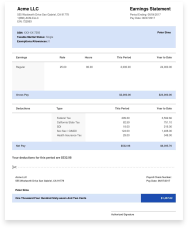
Confused by the "Medicare" or "Med." line on your paycheck? You're not alone. It appears on all standard pay stubs, yet many employees are unsure, "What is Medicare tax on my paycheck deduction?"
Many people don't understand how this tax works or where the money goes. The good news? The process is straightforward, and you can check your deductions through our paystub generator tool at any time.
The following guide explains the Medicare tax definition, current rate, payment structure, and calculation process. We use simple language to provide direct answers.
Key Takeaways
- Medicare tax is a mandatory payroll tax that funds healthcare for Americans 65 and older
- The 2026 rate is 1.45% for employees and 1.45% for employers (2.9% total)
- The tax applies to all earned income with no maximum earnings limit
- High earners pay an additional 0.9% surtax on income above $200,000
What Is Medicare Tax?
Medicare tax is a payroll tax automatically deducted from your paycheck to fund healthcare for Americans aged 65 and older. The deduction appears under two different names on your pay stub: "Medicare" or "Med." Both employees and employers pay it at a rate of 1.45% each.
This system dedicates part of your earnings to fund healthcare for elderly patients and people with disabilities. President Lyndon B. Johnson signed Medicare into law on July 30, 1965. The program has been funded by this payroll deduction ever since.
The simplest Medicare tax definition? It's your contribution to the federal Medicare health insurance program, collected under the Federal Insurance Contributions Act (FICA). The FICA system includes both Medicare and Social Security deductions, which appear together on your pay stub.
Med tax is simply your share of funding Medicare in the United States. If you work for a company that uses ADP for payroll, you'll see these deductions broken out clearly on your statements.
What Is the Medicare Tax Rate in 2026?

The 2026 rate is 1.45% for employees and 1.45% for employers (2.9% total). Self-employed workers pay the full 2.9% themselves. This rate has remained unchanged since 1986. High earners above $200,000 may also owe an additional 0.9% medicare surtax.
Employee and Employer Rates
So, what is the Medicare tax rate, and how much is Medicare tax for most workers? Your employer withholds 1.45% from your paycheck as the Medicare employee tax, and they match it with another 1.45%. The Medicare percentage applies to all earned income. Unlike Social Security, the Medicare tax has no wage cap.
What is employee Medicare tax exactly? It's the 1.45% portion that comes out of your paycheck. Your employer pays a separate, matching contribution of 1.45%. So, what is Medicare tax rate overall? It's 2.9% combined.
The Medicare tax rate 2025 was also 1.45%, and the 2024 Medicare tax rate was the same. This rate has operated with stability since the beginning of the last several decades.
Self-Employed Rate
Self-employed workers must pay the entire 2.9% Medicare tax percentage under SECA (Self-Employment Contributions Act). Your taxable income will decrease when you file taxes because you can deduct the 1.45% employer portion using Form 8959 if you owe Additional Medicare Tax.
What Does Medicare Tax Pay For?
Medicare tax primarily funds Medicare Part A, which covers hospital stays, skilled nursing care, hospice care, and some home health services. Note that Medicare Part B (doctor visits) and Medicare Part D (prescriptions) require separate premiums. The money goes into the Hospital Insurance Trust Fund managed by the U.S. Treasury, which pays for current and future beneficiaries.
So, "Why do I pay Medicare tax?" Because it funds the hospital insurance that you (or your family members) will use after age 65. For questions like, "If I pay medicare tax, do I have Medicare?" the answer is not automatically. You become eligible for Medicare benefits at 65, as long as you or your spouse paid Medicare taxes for at least 10 years.
The Hospital Insurance Trust Fund faces budget problems expected by 2031. However, this will not eliminate the tax. Lawmakers will likely find solutions to keep the program running.
Your Medicare wages and tips show the total amount subject to this deduction. This includes all forms of payment from your employer:
- base salary
- tips
- bonuses
- other compensation.
What Is the Additional Medicare Tax?

The Additional Medicare Tax is an extra 0.9% on earned income above $200,000 for single filers or $250,000 for married couples filing jointly. Introduced by the Affordable Care Act (ACA) in 2013, this Medicare surtax only applies to income above these thresholds, with no employer match.
What is Medicare surtax in simple terms? It's an extra amount that only high earners pay. If you make under $200,000 as a single filer, you don't need to worry about this at all.
The additional Medicare tax 2024 thresholds were the same ($200,000/$250,000). They haven't changed since the ACA (also known as Obamacare) introduced them.
What is additional Medicare tax used for? The purpose is to fund Medicare services. You can find more details about these tax requirements on your Form W-2 at the end of the year.
How Is Medicare Tax Calculated?
How is Medicare tax calculated? You multiply your gross wages by 1.45%.
For example, if your biweekly paycheck is $2,500, you'll pay $36.25. Your employer pays the same amount. Self-employed workers multiply their net self-employment income by 2.9%.
Example: $60,000 annual salary
- Gross Biweekly Pay: $2,307.69
- Employee Medicare Tax (1.45%): $33.46 per check
- Employer Match:$33.46 per check
- Annual Employee Total: $870
- Annual Combined Total: $1,740
Your Medicare tax withheld amount needs to equal 1.45% of your total earnings, which you receive during each pay period. If you're a Walmart employee, you can verify this through the OneWalmart portal.
Does Everyone Pay Medicare Tax?
Most workers in the United States pay this tax, but some groups are exempt. These include:
- Certain foreign students on visas
- Members of specific religious groups
- U.S. citizens working for foreign governments
- Some pre-1986 state employees
- Students employed by their university.
Does everyone pay Medicare tax? Nearly everyone with earned income does. Most people who receive a paycheck pay this tax.
Medicare Tax vs. Social Security Tax
Both Medicare and Social Security taxes are collected under FICA, but they work differently.
| Feature | Medicare | Social Security |
| Rate (employee) | 1.45% | 6.2% |
| Rate (self-employed) | 2.9% | 12.4% |
| Income cap | No cap | $176,100 (2025 |
| Additional tax | 0.9% over $200K | None |
| Funds | Hospital insurance | Retirement/disability |
The key difference? Medicare taxes apply to every dollar you earn, while Social Security only applies up to the annual wage base limit.
You Might Also Like
- Walgreens Employee Portal: How to Access Your Pay Stubs
- Dollar General Pay Stub Portal Guide
- Walmart W-2 Guide for Former Employees
- How to Access Your Amazon Pay Stub
- Professional Paystub Templates
- Pay Stubs Explained: A Beginner's Complete Guide (2026)
- Net vs Gross Income: A Simple Guide for Beginners (2026)
- semi monthly meaning: What It Is and Why It Matters (2026)
Bottom Line
Understanding this paycheck deduction is simple once you know the basics. The 1.45% you pay is matched by your employer. These funds support medical services for elderly and disabled individuals.
Review your pay stub to confirm the Medicare section shows 1.45% of your gross income. Need accurate pay documentation for rental or loan applications? Generate exact paystubs through our paystub generator. No experience needed.



Frequently Asked Questions
Similar Articles



We’ve helped numerous individuals and businesses create professional documents! Create yours today!