Net vs Gross Income: A Simple Guide for Beginners (2026)
By Jaden Miller , February 13 2026

Confused by the numbers on your paycheck? If the amount in your bank looks way less than promised, you're not alone.
The answer lies in understanding gross pay vs net pay. These two numbers explain why your actual take-home amount differs from your salary.
Let's walk through "What is net pay and gross pay?" so you feel confident reading your next pay stub.
Key Takeaways
- Gross pay is your total earnings before any taxes or deductions are taken out
- Net pay (take-home pay) is the amount that actually hits your bank account
- The difference between gross pay and net pay comes from taxes, insurance, and retirement
- Your pay stub shows both numbers, so you can see where your money goes
- Always use net pay, not gross, when planning your monthly budget
- Key Takeaways
- What Even Is Gross Pay? (The Basics)
- How To Calculate Gross Pay
- What Is Net Pay? (Your Take-Home Pay)
- How To Calculate Net Pay
- What Is the Difference Between Gross Pay and Net Pay?
- Common Deductions From Gross Pay
- Why Understanding Net vs Gross Income Matters
- Reading Your Pay Stub: Net vs Gross Income
- You Might Also Like
- To Sum It Up
What Even Is Gross Pay? (The Basics)
Let's define gross pay clearly. It is the total amount of money you earn before taxes or payroll deductions are taken out. If you are paid hourly, it is your hourly rate multiplied by the hours worked. If you are salaried, it is your annual salary divided by the number of pay periods per year.
So, what does gross pay mean in plain English? Think of it as the full price tag before any discounts. For example, if your job says $55,000 per year, that is "What is a gross salary?" Your gross payment for a 40-hour week at $18/hr is $720.
How To Calculate Gross Pay


Learning to calculate gross pay can help you understand your paycheck better. Using the example above, we have:
- For hourly workers: $18/hr x 40 hours worked = $720 per week.
- For salaried employees: $55,000 annual salary / 26 pay periods = $2,115.38 per period.
These are your total earnings before taxes. Deductions are applied later to calculate your take-home amount.
What Is Net Pay? (Your Take-Home Pay)
Net pay is the amount that actually lands in your bank account after all deductions. Is net pay before or after taxes? Always after. Is net before taxes? No. Net wages are the amount that remains after federal and state income taxes, Social Security, Medicare, health insurance premiums, and 401(k) contributions are deducted. These amounts are withheld from your paycheck automatically by your employer.
Here is the simplest way to explain the difference between gross pay and net pay. Gross is the whole pizza, net is what is left after everyone takes a slice.
What is the difference between gross and net pay? It all comes down to payroll deductions.
How To Calculate Net Pay

When calculating net pay, start with gross pay and subtract all deductions.
Net pay = gross pay minus all deductions.
From our example: $720 gross minus $165 in deductions = $555 net.
That is the answer to "How is net pay different from gross pay?" in real dollars. Your deductions depend on your filing status, state, and benefits.
What Is the Difference Between Gross Pay and Net Pay?
So what is the difference between gross pay and net pay? It's a question everyone asks on their first paycheck.
Gross vs net pay comes down to this: gross is before deductions, net is after. That's the core concept.
The difference between gross and net pay equals what's taken for taxes, insurance, and your retirement plan. Employer responsibilities include calculating and withholding these amounts correctly. Here is a quick reference:
| Situation | Gross or Net? |
| Job offer salary | Gross |
| Monthly budget | Net |
| Loan application (DTI) | Gross |
| What hits your bank | Net |
So, is base salary net or gross? Always gross.
These numbers serve different purposes. If you know the difference, you'll be able to make better financial decisions. Gross is what you earn, and net is what you keep.
Common Deductions From Gross Pay
Here are common deductions with 2026 rates:
| Deduction | Amount |
| Federal income tax | Varies by tax bracket |
| Social Security (FICA) | 6.2% up to $176,100 |
| Medicare (FICA) | 1.45% (+0.9% high earners) |
| State income tax | 0% to 13.3% |
| Health insurance | Varies by plan |
| 401(k) | Typically 3% to 6% |
Your Form W-2 determines federal tax withholding. Understanding your taxable income helps you plan better. Net or gross on your paycheck depends on whether deductions have been applied yet.
Why Understanding Net vs Gross Income Matters
What is the difference between net pay and gross pay in your daily life? It affects how you budget, qualify for loans, and prove your income. Always plan expenses around net pay. Lenders use gross income for your debt-to-income ratio.
Landlords ask for pay stubs when you apply for an apartment. What's the difference between net pay and gross pay, practically? Net is your spending power, while gross is your earning power.
This guide should explain the difference between gross pay and net pay. Understanding both can help you budget more accurately, save consistently, and maintain better financial health.
Reading Your Pay Stub: Net vs Gross Income
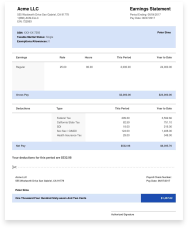
Your pay stub shows both numbers side by side. What's the difference between gross and net pay on your stub? Look for three sections:
- Gross Earnings: This appears at the top (total before deductions)
- Deductions: Located in the middle (taxes, insurance, retirement)
- Net Pay: Appears at the bottom (your take-home amount)
The difference between net and gross pay is visible right there. If you need a pay stub for a loan or rental, our easy-to-use tool walks you through every step.
You Might Also Like
- Walmart Paystub Portal: How to Access Your Pay Information
- ADP Paystub: How to View and Download Your Pay Stubs
- Amazon Pay Stub: Access Your Earnings Online
- Walgreens Employee Portal and Pay Stub Access
- Paystub Templates: Free Fillable PDF Options
- Pay Stubs Explained: A Beginner's Complete Guide (2026)
- medicare tax: A Simple Guide for Beginners (2026)
- semi monthly meaning: What It Is and Why It Matters (2026)
To Sum It Up
Now you know the difference between net vs gross income. Gross pay is total earnings before deductions. Net pay is what hits your bank. Both matter for different reasons.
Ready to create your first pay stub? It's easier than you think. Get started in minutes and see for yourself.



Frequently Asked Questions
Similar Articles



We’ve helped numerous individuals and businesses create professional documents! Create yours today!