What Is a Check Number on a Pay Stub and Why Is It Important?
By Jaden Miller , January 29 2026

The simple answer to “What is a check number on a pay stub?” is that it’s a unique identifier. This special number appears on your pay stub to track payments and organize payroll records.
Whether you get a paycheck or use direct deposit, you still need to know “What does check number mean on a pay stub? You also need to know where to find the check number for record keeping, confirming transactions, and handling your finances.
In this guide, we answer “What is a check number on a pay stub?” and explain what it means for employees and employers. You can create pay stubs with check numbers using an online paystub generator.
What Is a Check Number on a Pay Stub?
A check number is a special sequential number that is assigned to the payment made to you by your employer. This appears on your pay stub and helps them track all the payments that went out in that pay period.
This paycheck number is used as a reference number for that payment. With the number, the payroll can easily locate and verify any transactions in the company records.
What Does Check Number Mean?
The answer to this is not different from the answer to “What is a check number on a pay stub?” Your check number is a tracking number that represents a particular payment transaction. Every time your employer processes payroll, they assign a sequential check number. This is the number that then shows up on your check stub or actual check, if you get your salary with paper checks. For employees who use direct deposit, the check number still shows on the pay stubs.
The check number helps businesses keep accurate records of different payroll details. That includes earnings, deductions, and payment dates. This is different from your account number, employee number, or routing number.
Read more: What Is Advice Number on Pay Stub?
Where To Find the Check Number on Your Pay Stub
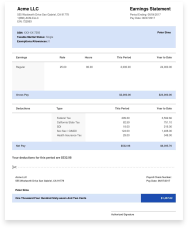
The location of your cheque number on pay stub can change depending on your employer. But on most pay stubs, it’s usually in the upper right corner or near the top. Some employers also place it in the lower left corner or beside the payment date. Your pay stub may also include your address, which helps confirm the payment belongs to the correct employee.
Check for a number labeled "Check Number," "Paycheck Number," or "Ck#." This number is printed clearly and is different from your employee number, account number, or routing number.
Once you get your first paycheck, look for where your employer places the check number on your pay stub. It usually shows up in the same location on all your pay stubs, so you can easily find the check number by the next pay period.
Also read: A Complete Paystub Breakdown To Understand Your Paystub
Paycheck Number vs Account Number
Here’s another popular question that many employees ask: Is the check number the same as the account number? No, they're quite different. Your employer’s payroll system assigns that check number. On the other hand, it’s your bank or financial institution that assigns you an account number. This number identifies your bank account where funds are deposited.
What Are the Different Numbers on Pay Stubs?
Asides from a check number on a pay stub, you’ll see many other numbers:
-
Account Number
Your financial institution uses an account number to identify the bank account where money is deposited.
-
Routing Number
This nine-digit routing number is an identification number for your bank.
-
Employee Number
This is your ID within the company
-
Routing and Account Numbers
You need this combined info to make certain electronic payments. That’s what your routing and account numbers are for.
The check number is different from your bank account. Even when you get paid with direct deposit, it's your employer's reference number for that pay period.
Why Check Numbers Matter for Employees
Employees need to know “What is a check number on a pay stub?’ for the sake of keeping correct records. Here's why your paycheck number matters for you:
Payment Tracking and Record Keeping
With the check number, you can easily track each payment. Go through your deposits with your bank statements. Then, you can compare that with your pay stubs using the check number. When tax time comes around, you can easily verify your income and deductions. This also helps you track money earned and the money you spend from your bank account, and compare salary details.
Resolving Errors
Sometimes, you may have pay issues, and when that happens, the check number helps. You can use it to know the actual payment that has the issue. Contact your payroll department and give them the check number. This can help them to resolve errors in your gross pay, net pay, deductions, or taxes.
Organizing Documents
You can also organize your pay stubs by check number to have your records in order. So, you can locate pay periods and verify payments for loan applications or proof of income.
Verifying Direct Deposit
With the check number, you can verify if funds were deposited into the correct account. When you cross-check the check number on your pay stub with your bank statements, it can help you catch errors.
Check out: Make pay stubs effortlessly with our online paystub creator tool
How Employers Use Payroll Check Number
Employers and payroll departments depend on check numbers to put employee payments in order:
Managing Payroll Records
The payroll department uses check numbers to track payments. For example, let’s take a company that has five employees. In each pay period, they might generate check numbers 1001-1005. The first set of check numbers is issued at the start of the pay cycle, while a second set is created for adjustments or reissued payments. These printed sequential numbers make it easy for them to locate payments.
Preventing Duplicate Payments
Check numbers prevent duplicates by ensuring each transaction has a unique identifier. A proper payroll system won't allow the same check number twice. So, this helps catch errors before money is deposited.
Auditing
During audits, check numbers can help verify that all employees were paid the correct amount at expected dates. Auditors use the check number to track salary details. They use this along with details like routing info and bank deposits. So, they can verify gross pay, net pay, tax deductions, health insurance, and union dues.
Retrieving Records
When employees request past pay stubs, they can use the check number to get quick access to correct records. So, employees can get an old check stub when they need one.
Further Reading: What Is FWT on Paystub and What Does It Mean for You?
How to Understand Your First Paycheck and Pay Stub
Your first paycheck can be a bit confusing. The pay stub includes different parts that help you make sense of your earnings. Some of them are:
-
Gross Pay
This gives you your total earnings before deductions are taken. Your gross pay is what helps you determine what you pay in taxes.
-
Deductions
Deductions represent everything that comes out of your pay. This may include deductions for taxes, health insurance, and union dues.
-
Net Pay
Your net pay is the final amount that gets deposited into your bank account. It’s also known as your take-home pay and helps you determine what you can spend.
-
Pay Period
Your pay period is the dates this payment covers. It could be a month, a week, or even two weeks, depending on where you work.
Check Out: Start creating with our ready-made pay stub templates today
Wrap Up
Now that you know “What is a check number on a pay stub?”, you can easily track what you earn and handle your finances better. Always keep pay stubs organized by check number to get easy access to your payment history and tax records. You’ll need them when important life events like loans or housing applications happen.
When creating a pay stub, you need to include all important components, including the check number. Our paystub maker can help you create professional pay stubs with the necessary components. Let’s help you make pay records a breeze.



Frequently Asked Questions
Similar Articles



We’ve helped numerous individuals and businesses create professional documents! Create yours today!