Do Paychecks Expire? What You Should Know About Payroll Checks
By Jaden Miller , January 29 2026
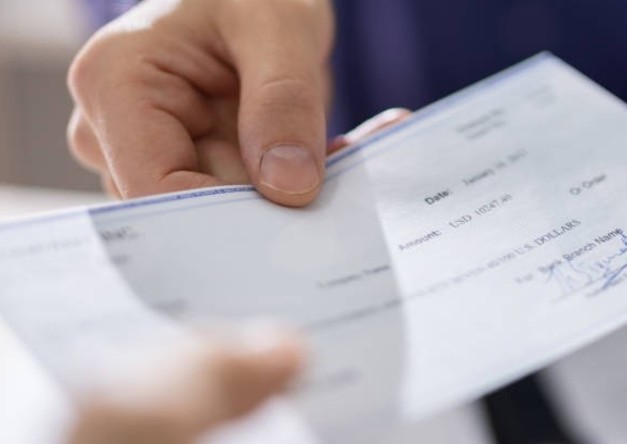
The simple answer to “Do paychecks expire?” is yes. However, the time they’ll expire depends on the type of check. If you know when do paychecks expire, you can avoid any mistake that costs you your hard-earned money.
Another important way to keep your finances in order is to have up-to-date pay stubs. You can create your pay stubs with a reliable online paystub generator.
In this guide, we answer “Do paychecks expire?”, explain the check expiration dates, and what happens to expired paychecks. Whether you’re dealing with personal checks or business checks, your questions are answered.
Do Paychecks Expire? Expiration Dates on Paychecks
Now, let’s answer the question of “Do paychecks expire?” Yes, most payroll checks have an expiration date. However, it may not be shown clearly on the check. Usually, paychecks expire after six months or 180 days from the date the check was issued. The expiration period protects employers and banks from accounting problems and fraud. So, they can be sure it’s an authentic paycheck you’re cashing.
The paycheck may also have fine print that says void after 90 days or void after six months. That shows how long a payroll check is good. After that time, the payroll check becomes a stale-dated check.
This helps financial institutions and businesses manage accounts. When checks sit uncashed for a long time, they become outstanding checks. Outstanding checks cause accounting problems. Most banks and credit unions treat checks that are older than six months as stale checks.
Whether a bank will honor checks past the expiration date depends on the bank's policy. The decision also depends on state law and on funds in the issuing bank account.
Read more: Payroll Deductions Explained: Understanding Your Paycheck
How Long Are Payroll Checks Good for by Check Type?
How long are paychecks good for depends on the type of check you're dealing with. Different checks last for different periods.
Payroll Checks and Business Checks
Standard payroll checks and business checks usually expire after 180 days or six months. After this time limit, the check is seen as stale, and many banks won’t even cash or deposit it. However, the check remains valid legally. This is because the expiration date is more of a bank policy than federal law.
Your employer still owes you that money, even if the check expired. If you try to cash an expired paycheck at your bank, they may take it if sufficient funds are in the payroll account. However, many banks decline stale checks to avoid fraud.
Personal Checks vs Business Checks
Personal checks have almost the same rules as payroll checks. They are generally good for six months. Personal and business checks both become stale checks after 180 days. But personal checks may bounce if you wait too long. That’s because the check writer may have spent the money or closed their checking account. Always cash checks quickly to make sure you get your money.
Government Checks and Treasury Checks
You’ll find that government checks come with their own set of rules. These include treasury checks, federal agency checks, and local government checks. Treasury checks issued by the U.S. government are good for one year. After that, you must contact the issuer for a replacement check.
Local government checks and state or local government payments vary by jurisdiction. State tax refund checks and tax refunds follow their own state laws.
Cashier's Checks and Certified Checks
Cashier's checks and certified checks don't really expire. However, banks may charge fees or escheat funds to the state as unclaimed property if left uncashed for years. Certified checks work similarly. The money is guaranteed, but banks may refuse very old certified checks due to concerns about fraud. Money orders also don't expire, though issuers may charge fees after one or two years that reduce the money order's value.
Also read: OASDI Meaning: What Is OASDI Tax on Paycheck?
Do Work Checks Expire?
Yes, the answer is the same as “Do paychecks expire?”. And it’s good to know what actually happens. When you don't cash your paycheck within the valid period, a number of things occur. When a check expires and is uncashed, the money is still in the employer's payroll account. After a certain period, most banks place a stop payment on expired checks. The money is still for you, but you'll need to request a replacement from your employer or payroll team.
If you didn’t cash your paycheck and don't contact your employer, that’s another issue. The money can now become unclaimed property and be turned over to the state. Each state has laws requiring employers to report unclaimed wages after a set time. That set time is usually from one to five years. To get your money back, you’ll have to file a claim with your state.
Can you cash an expired check?
If you try to cash an expired check, you may meet some more hurdles than usual. Financial institutions usually ask for more proof of identity, such as your driver's license. Some banks charge fees for processing expired checks. Others may even refuse to cash it.
Check out: Create pay stubs online with our easy-to-use paystub maker
Does a Company Have To Reissue an Expired Check?

Generally, yes. Your employer has to pay you for your work, even if the original check expired. The money belongs to you. However, the process can be different in each company and state.
If you have an expired paycheck, contact your employer or payroll department. Let them know you need a replacement check. Most employers cooperate because federal law and state law require them to pay wages. You may need to hand in the expired check. Also, you have to give details about the check number, issue date, and amount. Your payroll team will most likely stop payment on the old check and issue a new one.
If the employer refuses to reissue a check, the employee can write down every attempt to contact the issuer. You should keep copies of every email you send and every phone call made. After that, the employee can file a claim with the state labor department if needed. In serious cases, the employee may bring the matter to a small claims court, but that is a last resort.
Check out: Try our most-used pay stub templates for your paystub needs
How Long Is a Payroll Check Good For? Ways To Handle It
Now that we know when do paychecks expire, here are some ways to get around it:
-
Deposit into a Checking Account or a Bank Account
The simplest way to handle expired paychecks is to prevent them. Cash or deposit paychecks as soon as you get them. Don't let checks sit around for long. Deposit them into your checking account or bank account within days. If you process it fast, it’s not likely to become an expired check.
-
Switch to Direct Deposit
Another suggestion is for you to switch to direct deposit if you can. With direct deposit, your employer sends your wages directly into your bank account. There is no paper check that can expire or get lost. Direct deposit removes the risk of lost or expired checks. All you need to do is set it up correctly with your account number.
-
Organize Your Pay Stubs
Organize pay stubs and paychecks in a safe place. You can have some sort of reminder in place, so you won’t forget. When you get a paycheck, look at the fine print to see if there’s an expiry date. Some checks state "void after 90 days" or "void after 180 days." Even if there are no dates, you already know that most paychecks are good for six months.
Read more: What Is a Void Check?
To Sum It Up
The answer to “Do paychecks expire?” is yes. Most paychecks expire after six months or 180 days. Keep in mind that the rules vary depending on the check type. So, always check the fine print and stay organized. That way, you make sure there’s no chance of losing your hard-earned money to an expired check.
Asides from paychecks, pay stubs are another important financial document for your transactions. To ensure you always have them handy, you can use our online pay stub creator tool. With our tool, you can have your important documents ready in minutes.



Frequently Asked Questions
Similar Articles



We’ve helped numerous individuals and businesses create professional documents! Create yours today!