What Does YTD Mean on a Pay Stub? Simple Guide (2026)
By Jaden Miller , March 3 2026
If you've ever looked at your pay stub and wondered, "What does YTD mean on a pay stub?", you're not alone. Those three letters show up everywhere on your paycheck, and nobody explains them.
Don't worry. This guide breaks down exactly what YTD means, why it matters, and how to check your numbers. If you need to create one quickly, our pay stub generator free PDF makes it simple.
Key Takeaways
-
YTD stands for "year-to-date" and shows running totals of your earnings, taxes, and deductions since January 1
-
Your pay stub includes several YTD figures: gross pay, net pay, taxes withheld, and deductions
-
YTD always resets on January 1 of each calendar year, not on your hire date
-
Comparing your final YTD to your W-2 each year helps you catch payroll errors early
What Does YTD Mean on a Pay Stub?
YTD stands for "year-to-date" on a pay stub. If you're wondering, "What does YTD stand for on a pay stub?", it's that simple. It shows your running totals for earnings, taxes, and deductions from January 1 through your most recent pay period. Every YTD pay stub number gives you a snapshot of your financial activity for the calendar year so far.
So what does YTD mean on a paycheck? Think of it like a scoreboard for your money. The YTD meaning on paycheck is the total of everything that's happened with your pay from January 1 until now. This differs from your "current" column, which shows only one pay period.
One common point of confusion is that YTD always follows the calendar year, not your start date. In other words, "What does year-to-date mean on a pay stub?" is everything from January 1 to today. Even if you started in June, your YTD resets on January 1 of the following year. This is separate from a fiscal year, which some companies use for accounting.
Why Does YTD Matter on Your Paycheck?


So what is YTD on paycheck reports, and why should you care? Here's the answer to "What is YTD in paycheck terms?" and why it matters.
-
It helps you check tax accuracy. If your YTD on paycheck shows too little tax withheld, you could owe the IRS money at tax time.
-
Lenders and landlords also ask for pay stubs showing YTD income for loan or apartment applications. Knowing how to access pay stubs from your employer makes it easy to pull your YTD info when you need it.
-
Tracking YTD helps with cash flow and budgeting, reducing year-end surprise tax liability.
Types of YTD on Your Pay Stub
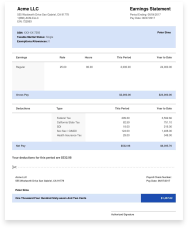
Your pay stub doesn't show just a YTD amount. It breaks YTD into several categories. Each line on your earnings statement represents a different running total.
YTD Gross Pay
Your gross pay YTD is the total you've earned before any deductions are taken out. It includes regular wages, overtime pay, bonuses, and commissions. The YTD gross meaning is straightforward. It's all money paid before deductions.
YTD Net Pay
Your year-to-date take-home pay is simple. YTD net pay is the total that's actually landed in your bank account after all deductions.
YTD Deductions and Taxes
This tracks everything subtracted since January 1, including federal and state taxes, Social Security, and Medicare. It also covers pre-tax deductions, such as 401(k) retirement contributions. Understanding the 3 types of taxes on your stub can help you see where your money goes. For 2026, the Social Security wage base is $176,100, meaning withholding stops once earnings hit that cap.
YTD Hours
The YTD hours meaning is the total hours you've worked since January 1. For hourly workers, this matters for tracking overtime and verifying that your employer records your time correctly.
How Do You Calculate YTD on a Pay Stub?


Add up your earnings from every paycheck since January 1. For example, if you earn $1,760 gross per pay period and you've received 10 paychecks, your YTD gross is $17,600. Subtract taxes and deductions to get your YTD net. These running totals are tracked through payroll management systems that help keep earnings, deductions, and payroll records accurate.
Here's a real example. Say you earn $22 per hour and work 80 hours per pay period. That's $1,760 gross. After about 20% in taxes and deductions, the net is roughly $1,408.
After 10 pay periods:
-
YTD Gross Pay: $17,600
-
YTD Taxes/Deductions: $3,520
-
YTD Net Pay: $14,080
If you're wondering, "What does YTD amount mean on your stub?", it's the running total for whichever line it sits next to.
Need a pay stub for a rental application or loan? Our fillable pay stub free PDF walks you through every step.
What Does Each YTD Line on Your Pay Stub Mean?
Wondering "What is YTD on pay stub labels?" Each YTD on a pay stub tracks a specific running total since January 1. Here's what each line for a typical YTD paystub means:
-
YTD Gross Earnings: Total pay before deductions (your gross YTD)
-
YTD Federal Tax: Federal income tax withheld
-
YTD FICA: Combined Social Security and Medicare (FICA taxes)
-
YTD State Tax: State income tax withheld
-
YTD Net Pay: Total take-home for the year
Your year-to-date pay stub numbers should grow with each paycheck. Understanding "What is YTD on a paycheck?" at this level can help you spot errors fast. If a number drops or looks off, that's a sign something needs attention.
Common YTD Mistakes and How To Avoid Them
Once you understand "What does YTD mean on a pay stub?", these common mistakes are easy to avoid. Here are the ones people make most often when reading "What does YTD mean on a check?":
-
Mixing Up Current Pay and YTD: Your "current" column shows one pay period. Your YTD column shows the whole year.
-
Assuming YTD Gross Equals Take-Home: Your gross YTD meaning includes everything before taxes. Your take-home (net) is always lower.
- Not Checking YTD Against Your W-2: When you get your W-2 form, Box 1 wages might not match your last pay stub's YTD gross. Pre-tax deductions like 401(k) and HSA reduce your W-2 Box 1. It's normal, but verify with the IRS guidelines. You can also check where to find HSA contributions on your W-2 to understand the differences.
You Might Also Like
Final Thought
Now you know "What does YTD mean on a pay stub?" and how to read every YTD line confidently. Remember that YTD is your running total since January 1, covering gross pay, net pay, taxes, and deductions. It resets every new year.
Check your YTD each pay period so nothing catches you off guard. Ready to create your first pay stub? It's easier than you think. Get started in minutes. No experience needed.



Frequently Asked Questions
Similar Articles



We’ve helped numerous individuals and businesses create professional documents! Create yours today!