Same Day Direct Deposit Payroll: A 2026 Employer Guide
By Jaden Miller , June 3 2026

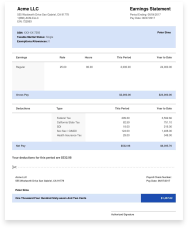
Payday's here, but the funds haven't moved yet. Your team expects to be paid on the same day. For a small business owner, waiting two to four days for a standard deposit isn't always an option. Same day direct deposit payroll solves that. It moves wages into your employees' accounts the same business day you run payroll. A pay stub generator keeps that paperwork clean. This guide covers how it works, what it costs, and whether it's right for your business.
Key Takeaways
- Same day direct deposit payroll moves employee wages to their bank accounts on the same business day you run payroll.
- It runs on the same-day ACH network, governed by NACHA. The per-transaction limit is now $1 million.
- Most providers enforce a morning-to-early-afternoon cutoff. Miss it and pay slides to the next business day.
- Expect a per-payroll or per-transaction fee from most providers.
- It's ideal for payroll emergencies, off-cycle runs, and final wage payments required by state law.
What Is Same Day Direct Deposit Payroll?
Same day direct deposit payroll deposits employee wages into their bank accounts the same business day you run payroll. That's faster than the standard two-to-four-day wait. It uses the same-day ACH network. Funds clear in hours instead of days. This helps with last-minute runs, corrections, and final wage payments.
One distinction worth flagging: this isn't the same as earned wage access. Same-day direct deposit is employer-initiated. It's tied to your regular pay cycle. Employers and employees both benefit when wage payments arrive on the same day. Earned wage access lets employees can pull already-earned pay on demand before payday. The two work differently and cost differently.
How Same Day Direct Deposit Payroll Works

You submit payroll before your provider's same-day cutoff. Your provider debits your business account. Then it sends the transactions through the same-day ACH network governed by NACHA. Funds credit your employees' bank accounts that same business day. Availability is required by 5 p.m. local time. The per-transaction limit is now $1 million.
The whole system runs on the Automated Clearing House. That's the network that moves electronic payments between financial institutions:
- You run and submit payroll before the same-day cutoff.
- Your provider debits your business bank account for the total.
- The same-day ACH batch credits each employee's net pay to their account.
NACHA governs ACH and expanded same-day capability in phases. The per-transaction limit climbed to $1 million in 2022. That change took effect after years of the original $25,000 cap. It now covers payroll for nearly any small business. Same day payroll processing is simpler because of these rule changes.
Benefits of Same-Day Direct Deposit Payroll for Employers
For a business owner, the value shows up when standard timing fails you.
Cover Payroll Emergencies
A software outage, a missed submission, or a forgotten bank holiday can derail a pay run. Same-day funding lets you correct course. You won't need to print a payroll check or field calls from frustrated staff.
Handle Off-cycle Pay Cleanly
Bonuses, commission corrections, and a new hire's first check often fall outside your regular schedule. Pushing them through same-day keeps your records tidy. It also keeps your people paid on time.
Strengthen Retention
Hourly and shift-based teams notice when pay lands reliably and fast. It's a low-cost signal that you run a professional operation. Employees can plan their finances better when deposits happen predictably.
In most payroll systems, the pay stub posts to the employee portal when the deposit lands. If yours doesn't generate stubs automatically, our pay stub templates let you create a professional record in minutes.
How to Set Up Same Day Direct Deposit Payroll

Setting this up is mostly about confirming capability and respecting the clock.
- Confirm your provider supports same-day ACH. Not every plan includes it. Some charge extra for the upgrade.
- Collect employee bank details and authorization. You'll need account and routing numbers. You also need signed direct deposit consent.
- Verify your funding account has cleared funds. Same-day service pulls money from your account faster. The balance needs to be ready.
- Submit before the cutoff. This is where most same-day runs succeed or fail.
Cutoff times vary by provider. Most fall between 10 a.m. and 2 p.m. ET. QuickBooks offers a 7 a.m. PT same-day option. Miss the window and the deposit moves to the next business day.
As of 2026, same-day payroll is widely available. Gusto now offers it nationwide. ADP, Paychex Flex, Rippling, and Homebase support it too. Set a calendar reminder one to two hours before your cutoff. That way a busy morning never costs your team a paycheck.
Same-Day vs. Next-Day vs. Traditional Payroll
The right speed depends on your cash flow. It also depends on how much you'll pay for immediacy. The key differences come down to timing and cost.
| Payment method | Funding speed | Typical cost | Best for |
|---|---|---|---|
| Same-day | Same business day | Per-payroll or per-transaction fee | Emergencies, off-cycle, final wages |
| Next day payroll | One business day | Often included or low fee | Routine payroll with a tight buffer |
| Traditional ACH | Two to four business days | Usually free | Stable, scheduled payroll |
The payroll key here is the check date versus the deposit date. For most small businesses, next-day handles routine biweekly runs. Same-day stays in your back pocket for the exceptions.
Which Businesses Benefit Most
Same-day payroll earns its fee for businesses with variable or time-sensitive pay. Hourly and shift-based teams, seasonal operations, and companies that pay contractors on short notice all benefit. It's also valuable for compliance. States like California (Labor Code §201) and Colorado require final wages immediately upon termination. Same-day direct deposit lets you meet that deadline. You won't need to scramble to cut a physical check on someone's last day. When you deposit employees' wages quickly, compliance gets easier.
The Downsides to Weigh First
Same-day funding isn't free. The speed comes with trade-offs:
- Fees. Most providers charge per payroll or per transaction for same-day service.
- Tighter cutoffs. You get less room to catch and fix errors before money moves.
- Cash flow pressure. Funds must be available sooner than with standard payroll processing.
- Bank support gaps. Both banks must support same-day ACH. If an employee's bank doesn't, the deposit falls back to next-day.
You Might Also Like
- Payroll Deductions Explained
- Common Payroll Mistakes to Avoid
- Understanding Pay Periods
- Net vs. Gross Income
- How Many Pay Periods Are in a Year?
Conclusion
Same day direct deposit payroll buys speed and flexibility when standard timing won't cut it. The trade-offs are real: fees, tighter cutoffs, and funds you'll need ready sooner. For most small businesses, it's a tool to keep on hand rather than a default. Start by confirming your provider's same-day capability and cutoff time. Need professional pay records to match? Use a reliable paystub generator to create accurate documentation in minutes.



Frequently Asked Questions
Similar Articles



We’ve helped numerous individuals and businesses create professional documents! Create yours today!