Net Pay: What It Means and How to Calculate It
By Jaden Miller , April 13 2026

Every pay period, your employees see one number that matters most: their net pay. Getting it wrong leads to IRS penalties and frustrated staff. Net pay is the amount put into each worker's bank account after all deductions. Whether you're building pay stubs for a growing team or checking payroll, this guide covers what net pay means, what lowers it, and how to find it.
Key Takeaways
- Net pay is the amount employees receive after all deductions from gross pay.
- The formula: Net Pay = Gross Pay − Pre-Tax Deductions − Taxes − Post-Tax Deductions.
- Mandatory deductions include federal income tax, state income tax, Social Security, and Medicare.
- Employers must maintain accurate net pay records for at least 3 years per DOL requirements.
- Pre-tax deductions (401(k), HSA) lower taxable income; post-tax deductions (garnishments) don't.
What Is Net Pay?
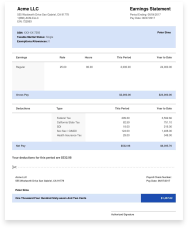
What is net pay? Net pay is the amount an employee takes home after all deductions come out of gross pay. The net pay formula is simple: Gross Pay minus pre-tax items, minus taxes (federal, state, FICA), minus post-tax items. This is the figure that hits the worker's bank account.
The net pay simple definition is the take-home amount after every withholding is applied. You can define net pay as the final deposit your worker receives each pay period. The net payment meaning is this same take-home figure. What is net pay mean for your business? It's the figure on every pay stub. Also called take-home pay, net income, or net wages, the net pay meaning stays the same. Whats net pay on a practical level? Whats a net pay amount worth tracking? You can see the breakdown between net vs. gross income on every properly formatted pay stub.
The net wages meaning is the same: it's the take-home amount after all deductions. What is net wages? It's the amount your workers deposit and spend. In a net pay definition economics context, it refers to pay after all mandatory and voluntary items are removed. What is net wage on a pay stub? Look for the bottom line figure.
Net Pay = Gross Pay − Pre-Tax Deductions − Taxes − Post-Tax Deductions
Gross Pay vs. Net Pay: What Is the Difference?

Gross pay is total employee earnings before any deductions. Net pay is what remains after federal income tax, state income tax, Social Security, Medicare, and other items are removed. The gross pay vs net pay gap shows how much goes to taxes and benefits. For example, a $5,000 monthly gross check typically yields about $3,750 in net pay.
| Gross Pay | Net Pay | |
|---|---|---|
| Definition | Total earnings before deductions | Take-home amount after all deductions |
| Taxes | Not yet applied | All taxes subtracted |
| On pay stub | Top line | Bottom line |
Is net pay before taxes? No. The balance of net pay on a stub reflects what is remaining net pay after every withholding has been applied. The net pay def is consistent: it's always post-deduction.
What Reduces Net Pay?
Several categories of payroll deductions reduce net pay. The percentage of net pay meaning varies per employee based on filing status and benefits. Each deduction type shifts the final take-home amount. Check the balance of net pay meaning on each stub to verify correct withholdings.
Mandatory Deductions
- Federal income tax: Based on the employee's W-4 Form filing status
- State income tax: Varies by state. Nine states have none: Alaska, Florida, Nevada, New Hampshire, South Dakota, Tennessee, Texas, Washington, and Wyoming
- Social Security tax: 6.2% of wages up to the 2026 wage base of $176,100
- Medicare tax: 1.45% on all wages, plus 0.9% on earnings above $200,000
Pre-Tax Voluntary Deductions
These reduce taxable income before taxes apply:
- 401(k) retirement savings
- Health insurance premiums
- HSA and FSA contributions
Post-Tax Deductions
These come out after taxes:
- Roth 401(k) contributions
- Wage garnishments (court-ordered)
- Union dues
The share of net pay that each item takes varies by worker. Someone putting 6% into a 401(k) with family health coverage will have a very different net payment than a coworker with no added deductions.
How Is Net Pay Calculated?

Calculate net pay by subtracting all deductions from gross pay: Net Pay = Gross Pay − Pre-Tax Deductions − Taxes − Post-Tax Deductions. Start with gross pay based on the employee's pay rate and hours. Subtract benefit items and taxes, then remove post-tax items like wage garnishments or Roth amounts.
Salaried Employee Example
$60,000/year, paid monthly, single filer in Texas (no state tax):
| Line Item | Amount |
|---|---|
| Monthly gross pay | $5,000.00 |
| 401(k) (6%) + health insurance | −$500.00 |
| Taxable income | $4,500.00 |
| Federal income tax (~12%) | −$540.00 |
| Social Security (6.2%) | −$310.00 |
| Medicare (1.45%) | −$72.50 |
| Net pay | $3,577.50 |
Hourly Employee Example
$20/hour, 80 hours biweekly, single filer in California:
| Line Item | Amount |
|---|---|
| Biweekly gross pay | $1,600.00 |
| Health insurance | −$100.00 |
| Federal income tax (~12%) | −$180.00 |
| California state tax (~4%) | −$60.00 |
| Social Security (6.2%) | −$99.20 |
| Medicare (1.45%) | −$23.20 |
| Net pay | $1,137.60 |
Watch for three common payroll mistakes: wrong filing status from a stale W-4, not updating withholding after life events, and tagging contractors as W-2 workers.
Create pay stubs for your team in minutes. Use our paystub generator to handle the withholding calculations for you.
Why Net Pay Matters for Your Business
The Department of Labor requires employers to maintain payroll records for at least three years. The Fair Labor Standards Act also mandates that pay stubs show hours worked, paycheck deductions, and net pay. Failing to meet these employer responsibilities triggers IRS penalties and DOL audits.
Total compensation cost goes beyond net pay: gross pay plus the payroll tax you pay as the employer (7.65% FICA) plus benefits. This helps plan labor costs when hiring.
Correct net check amounts on file protect your business during audits and help workers needing pay verification for loans or housing.
You Might Also Like
- How Many Pay Periods in a Year
- How to Find Annual Income
- Pay Stub for Tax Filing
- How State Tax Affects Federal Tax
- 3 Types of Taxes
Conclusion
Net pay is the bottom line on every pay stub. Getting it right protects both your business and your team. Keep W-4 forms current, learn the pre-tax vs. post-tax split, and keep payroll records for at least three years.
Need accurate pay records for your team? Use a reliable pay stub template to create pay stubs with automatic tax math.



Frequently Asked Questions
Similar Articles



We’ve helped numerous individuals and businesses create professional documents! Create yours today!