Pay Date Explained: What It Means and Why It Matters (2026)
By Jaden Miller , March 4 2026
If someone just mentioned this term and you're not exactly sure what that means, don't worry. You're in the right place. It sounds confusing at first, but it's actually pretty straightforward once you break it down. Once you understand it, you can even create your own pay stubs whenever you need documentation.
In this guide, we'll explain what it is, how it's different from a pay period and check date, the most common schedules, and what the law says about when you should get paid. Let's make this simple.
Key Takeaways
- A pay date is the day you receive your paycheck or direct deposit for work you've already done
- It's not the same as a pay period (when you worked) or a check date (the date on your statement)
- The four main pay schedule options are weekly, biweekly, semi-monthly pay, and monthly
- Biweekly is the most common in the U.S., used by about 43% of employers
- Some states have specific laws about how often employers must pay workers.
What Does Pay Date Mean?
It's the specific day your employer pays you for your wages for work done during a set period of time. You'll receive your money through direct deposit or paycheck into your bank account or as a physical check. Most companies follow a regular payroll cycle.
Here's something helpful to know: your money might show up in your bank account a day or two before the official payday. That's because some banks release direct deposits early once they receive the payroll file. So if the scheduled payday is Friday but the money lands on Wednesday, that's totally normal. Payroll processing time varies by employer and bank. If you need to understand how your pay stub compares to a payslip, we've got a guide for that too.
Pay Date vs. Pay Period vs. Check Date
These three terms come up a lot, and they're easy to mix up. Here's the breakdown in plain English.
A pay period is the stretch of time you're being paid for, running from a start date to the pay period end date. The payday is the actual day the money shows up.
If you've ever wondered what does check date mean? The answer is simple. That's the date printed on your paycheck or pay statement. Understanding the check date meaning is straightforward: it's the date your employer officially issued the payment.
So how is pay period different than pay date? Here's a quick example. Let's say you worked January 1 through January 14. That two-week stretch is your pay period. The check date on your pay stub might say January 17. The actual payday, when the money hits your account, could be January 18. The difference between pay period and pay date comes down to earning versus receiving.
| Term | What It Means | Example |
|---|---|---|
| Pay period | The time you worked | Jan 1 to Jan 14 |
| Check date | Date on the pay statement | Jan 17 |
| Pay date | When you get paid | Jan 18 |
So what does check date mean on paycheck statements? It's usually the same as or very close to your payday. The small difference comes down to payroll processing time and how quickly your bank handles the deposit.
Types of Pay Schedules
Now that you understand how pay periods work, let's look at how often you actually get paid. Your pay schedule determines your payroll calendar and pay period calendar for the entire year, with fixed payment dates throughout. Here are the four most common options.
Weekly means you get paid once a week, usually on a Friday. This is common in retail and hospitality. That's 52 paychecks a year. If you work at a company like Walmart, you'll typically be on a biweekly schedule.
Biweekly means every two weeks, giving you 26 paychecks per year. This is the most popular schedule in the U.S., used by roughly 43% of employers. It makes overtime calculation easier to manage too.
Semi-monthly means twice a month on fixed dates, like the 1st and 15th. That's 24 paychecks a year. It looks similar to biweekly, but the pay periods aren't always the same length because months have different numbers of days.
Monthly means once a month, usually on the same date. That's 12 paychecks per year. It's the simplest for the payroll department but can make budgeting harder if you're living paycheck to paycheck.
| Schedule | How Often | Paychecks Per Year |
|---|---|---|
| Weekly | Every week | 52 |
| Biweekly | Every 2 weeks | 26 |
| Semi-monthly | Twice a month | 24 |
| Monthly | Once a month | 12 |
How to Choose Your Pay Schedule
If you're setting up payroll for the first time, deciding how often to pay employees is one of the biggest decisions. Here are a few things to think about.
First, check your state regulations. Some states require employers to pay workers at a minimum frequency for legal compliance. Second, consider your workforce and employee satisfaction. Hourly workers generally prefer weekly or biweekly schedules because it keeps cash flow management steady. Salaried employees are often fine with semi-monthly or monthly schedules. Third, think about how much time the payroll administrator can dedicate to running payroll. Weekly processing means more admin work. Finally, make sure your budget can handle the timing. You'll need enough cash on hand each payday to cover payroll liabilities and everyone's wages.
Need pay documentation for a loan or rental application? Our pay stub templates make it easy to create professional records fast.
Pay Date Laws You Should Know About
Don't panic. The legal side is simpler than it sounds. Here's what you need to know about state regulations and legal compliance.
The Fair Labor Standards Act (FLSA) is the main federal law. It says employers must pay at least minimum wage for the first 40 hours and 1.5 times the regular rate for overtime. It also requires employers to keep records of employee pay, but it doesn't set a specific pay frequency at the federal level. Payroll taxes must be withheld correctly regardless of your schedule. If you need to understand how taxes affect your paycheck, our provision for income taxes guide breaks it down.
That's where state laws come in. California requires employers to pay most workers at least twice a month. New York requires weekly pay for manual laborers. Texas also requires at least two paydays per month. In Florida, there's no state law, so the federal FLSA rules apply.
Check the Department of Labor's state payday page to see what applies where you live.
Common Pay Date Mistakes (and How to Avoid Them)
If you're managing payroll, watch out for these common slip-ups.
Changing your schedule without giving employees enough notice can hurt employee satisfaction and cause real problems with their budgeting. Not factoring in bank processing time is another one. Direct deposits typically take one to two business days to process, so submit payroll before the payroll cutoff date. Setting your payday on a weekend or holiday without a backup plan will confuse everyone. And finally, not checking your state's pay frequency requirements could land you in legal trouble.
Once you understand what is a check date and what is check date on your stub, you can catch errors early. Don't worry if you've made one of these mistakes. They're super common, especially when you're just getting started. If you're a nanny or household employer, these rules still apply to you too.
You Might Also Like
- What Is Form W-2? A Beginner's Guide
- How to Read Your Adjusted Gross Income on a W-2
- ADP Paystub: How to Access Your Pay Information
- Amazon Pay Stub: Employee Guide
- AI Paystub Generator: Create Pay Stubs Instantly
Conclusion
Now you know exactly what this term means and how it differs from a pay period and check date. You've seen the four main schedules, learned what the law requires, and picked up some tips for avoiding common mistakes. Not so complicated after all, right?
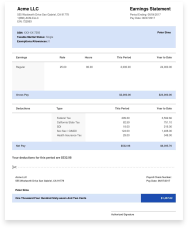
Your pay stub is actually where all three dates come together in one place. Need to create your first one? It's easier than you think. Get started in minutes with our paystub generator and you'll have professional pay documentation in no time.



Frequently Asked Questions
Similar Articles



We’ve helped numerous individuals and businesses create professional documents! Create yours today!